

The Science of Ambient Influence
 2 Min Read
|
2 Min Read
|
 MakeOurHome
How light, layout, and sound quietly shape your mood at home
Ever notice how some homes feel effortless to be in, and others — even beautifully decorated ones — leave you a little on edge without knowing why? The difference usually isn’t taste. It’s ambient influence: the layer of a space that never asks for your attention but shapes your mood anyway.
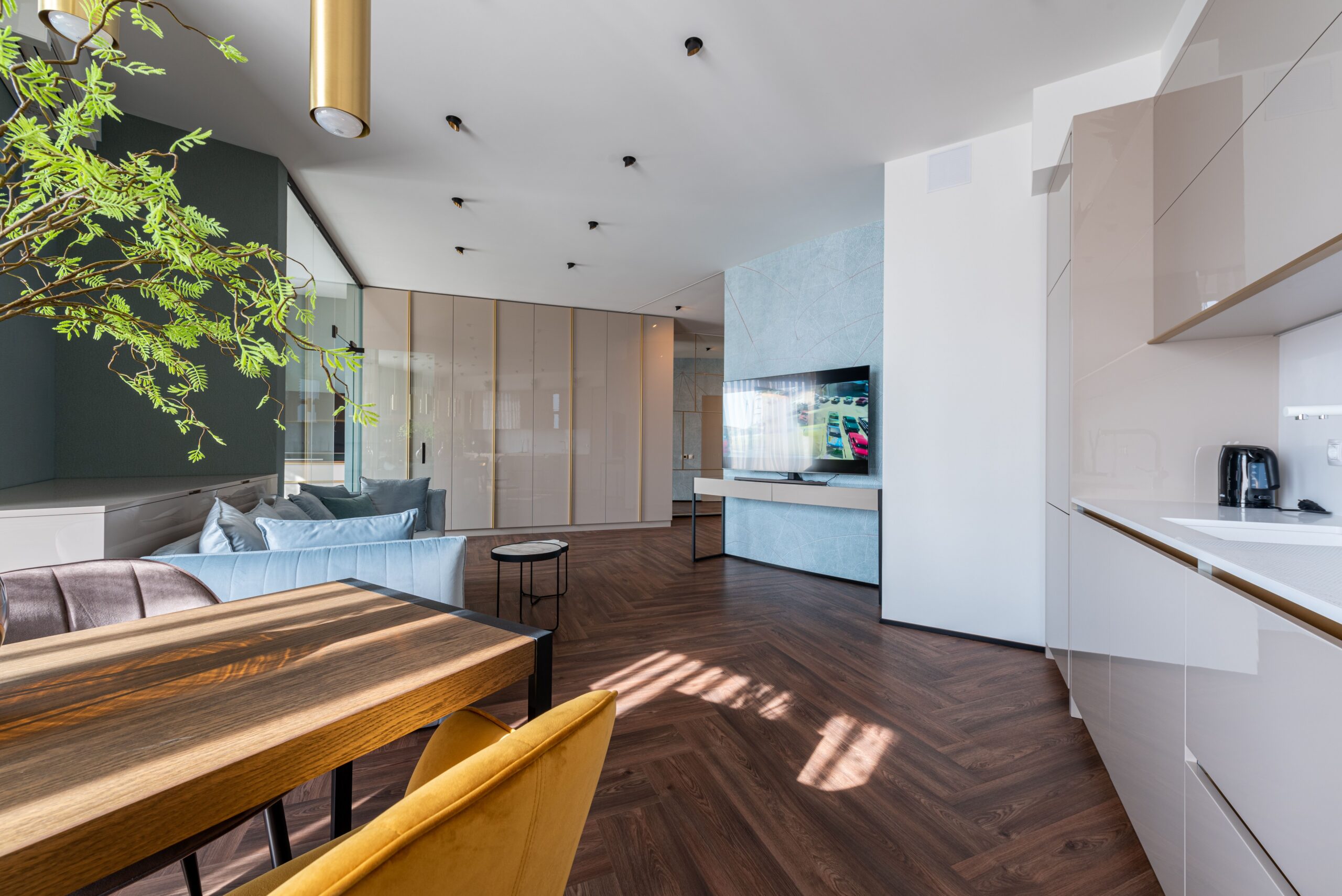
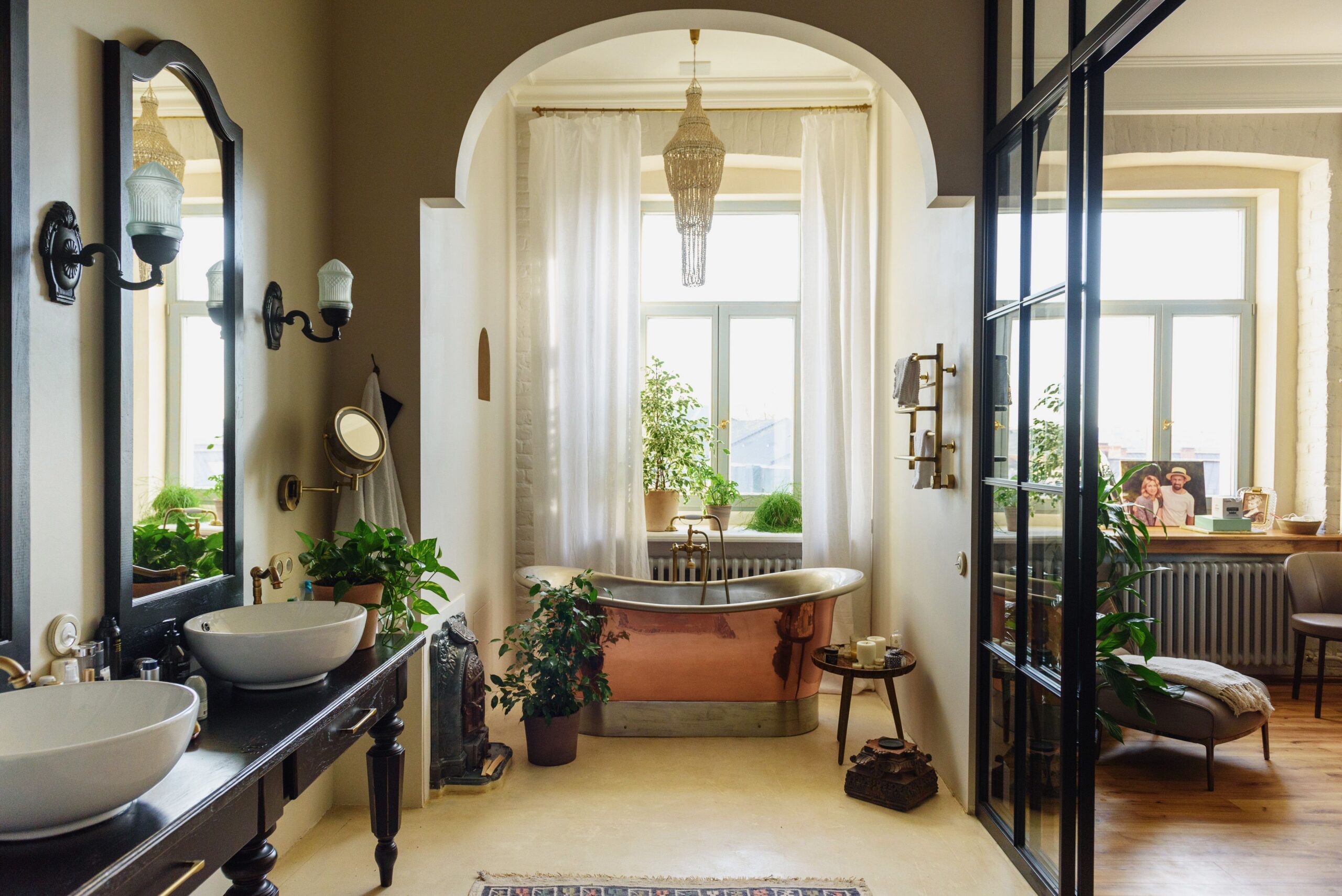
Take light. Rooms with strong natural light and a view of something alive outside — a tree, a patch of sky — tend to leave people calmer and more focused than windowless or dim ones. It’s not aesthetic preference; it’s biology. Humans evolved outdoors, and our stress systems still respond to daylight and greenery the way they did long before “interior design” existed. Biologist E. O. Wilson, who spent decades studying this pull toward the living world, put it simply:
“The connections that human beings subconsciously seek with the rest of life.”
— Edward O. Wilson, defining “biophilia,” Biophilia (Harvard University Press, 1984)
That instinct doesn’t switch off when you walk indoors.
Layout matters just as much, in quieter ways. A room where you can see the entrance from your seat tends to feel safer than one where your back is to the door — a leftover instinct from long before locks existed. Clutter in your visual field raises cognitive load even when you’re not actively looking at it. And sound — the hum of an HVAC unit, an echo off a hard ceiling, noise bleeding through a thin wall — works on you constantly, whether or not you consciously register it.
None of this is exotic. It’s the accumulated, unglamorous stuff of environmental psychology — a field that’s spent decades studying exactly how physical spaces move human stress, focus, and mood, one variable at a time. The catch is that almost none of us get to see this data about our own home. You feel the effects. You rarely get to see the causes laid out.
That’s what a proper scan of your space is actually for. Not to hand you a decorating rulebook, but to surface the specific ambient factors — light, layout, sound, and more — that are working on you in your own rooms, so “this room feels off” can turn into “here’s what’s actually going on, and here’s what changing it might do.”
More Blogs
View more blogs
Read more latest articles
Renovating Together
How family and community input can raise your home energy score Renovation decisions rarely happen in a vacuum,...
VIEW MORE
Room by Room
How your home gets mapped, scored, and understood Most of us think about our homes as a single...
VIEW MORE
Turning a Feeling Into a Framework
How we measure the immeasurable in your home “You can’t measure a feeling” is one of those things...
VIEW MORE