


Room by Room
 3 Min Read
|
3 Min Read
|
 MakeOurHome
How your home gets mapped, scored, and understood
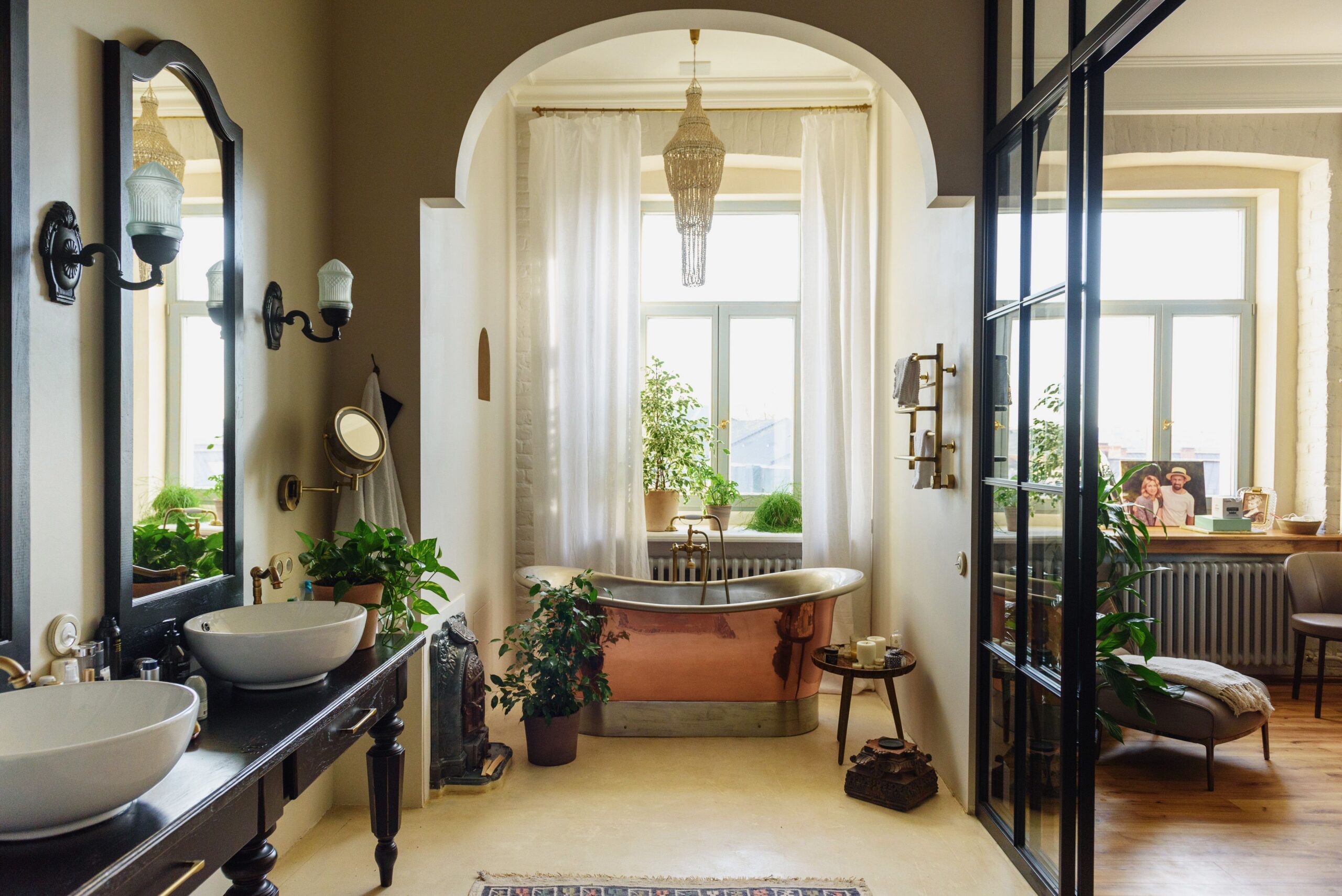
Most of us think about our homes as a single unit — “my apartment,” “our house” — good or bad, in one lump judgment. But nobody actually lives in “a house.” You live in a bedroom that’s too dark in the morning, a kitchen you somehow end up working in more than your actual desk, a living room that never quite feels like it invites you to sit down. A single overall impression of your home is almost always hiding several very different, very specific stories.
Frank Lloyd Wright made close to this exact point about architecture in general, nearly a century ago:
“The reality of the building does not consist of the roof and the walls but the space within to be lived in.”
— Frank Lloyd Wright
He was arguing against judging a building by its facade — insisting the real substance of architecture is the interior space people actually occupy. That’s the core design decision behind how we approached this: no single flattening score for an entire home. Instead, a genuine room-by-room map — each space scanned, assessed, and scored on its own terms, because a bedroom and a kitchen are trying to do completely different jobs for you, and “good” means something different in each one.
In practice, this starts with a 3D walkthrough scan you do yourself, using nothing but your phone — no professional equipment, no waiting for a professional appointment. From that scan, every room in your home gets mapped individually: its layout, its light, its proportions, how it connects to the rooms around it. Each one gets its own read, not a footnote in a whole-house average.
The output is closer to a weather map than a report card — an at-a-glance view of where a home is working well and where it isn’t, room by room, so you’re not stuck trying to mentally average five different rooms into one vague verdict about “the house.” You can look at your bedroom on its own. Your kitchen on its own. The room you actually spend the most time in, on its own.
This matters more than it might sound like at first, because it’s usually one or two specific rooms doing most of the emotional work in a home — the room you dread, the room you avoid, the room that somehow always feels like the good one. Once you can actually see which room is which, and why, you’re no longer guessing at what to change. You know exactly where to start.
More Blogs
View more blogs
Read more latest articles
Renovating Together
How family and community input can raise your home energy score Renovation decisions rarely happen in a vacuum,...
VIEW MORE
Turning a Feeling Into a Framework
How we measure the immeasurable in your home “You can’t measure a feeling” is one of those things...
VIEW MORE
What Your Home’s “Aura” Really Means
(and why your brain notices before you do) “Aura” gets used loosely — for perfume, for people, for...
VIEW MORE